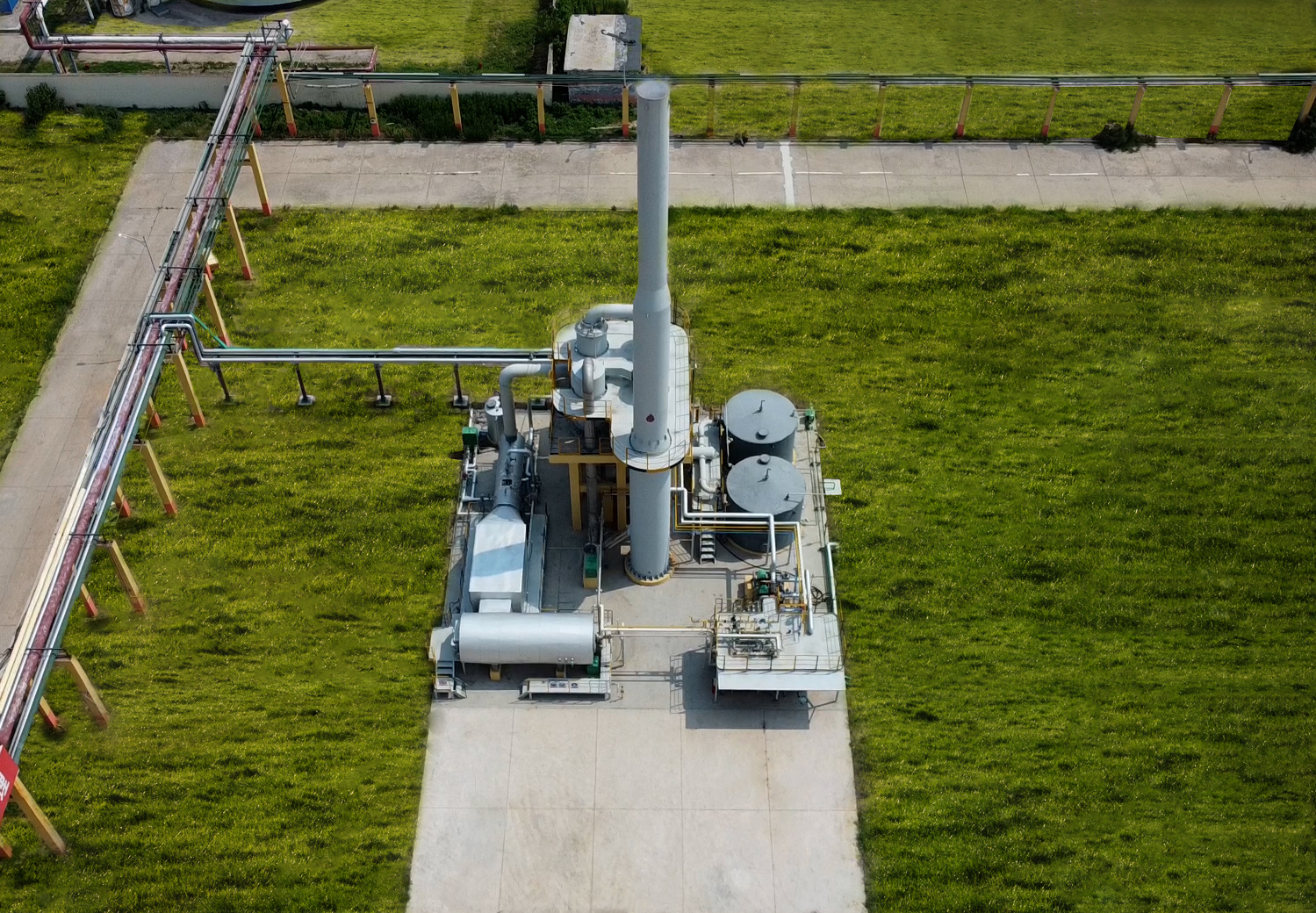

Essential details
MOQ:1
Product Introduction
The Waste Gas Incinerator (available as RTO Regenerative Thermal Oxidizer or RCO Catalytic Oxidizer) is a high-efficiency environmental protection solution tailored for treating industrial volatile organic compounds (VOCs). By leveraging high-temperature thermal oxidation (RTO) or low-temperature catalytic oxidation (RCO), it converts toxic and harmful organic gases into harmless CO₂ and H₂O, ensuring compliance with strict emission regulations for industries including chemicals, coatings, printing, automotive, and electronics.
Core Components
- Oxidation & Heat Recovery System:
- RTO: Multi-bed regenerative ceramic media (for efficient heat storage/recovery), high-temperature combustion chamber, and gas/electric auxiliary heating units.
- RCO: Catalytic reactor (platinum/palladium-based catalyst), low-temperature combustion chamber, and regenerative heat exchange module.
- Intelligent Control System: PLC-based automatic regulation, real-time temperature/pressure monitoring, and fault alarm modules, ensuring stable operation.
- Flue Gas Polishing System: Integrated rapid cooling tower, spray scrubber, and high-efficiency flue gas dust removal equipment, achieving ultra-low emissions.
- Oxidation & Heat Recovery System:
- RTO: Multi-bed regenerative ceramic media (for efficient heat storage/recovery), high-temperature combustion chamber, and gas/electric auxiliary heating units.
- RCO: Catalytic reactor (platinum/palladium-based catalyst), low-temperature combustion chamber, and regenerative heat exchange module.
- Intelligent Control System: PLC-based automatic regulation, real-time temperature/pressure monitoring, and fault alarm modules, ensuring stable operation.
- Flue Gas Polishing System: Integrated rapid cooling tower, spray scrubber, and high-efficiency flue gas dust removal equipment, achieving ultra-low emissions.
Technical Advantages
- Ultra-High Purification Efficiency: VOCs removal rate ≥99%, fully meeting national emission standards (e.g., GB 37822) and EU EN regulations.
- Exceptional Energy Savings: Regenerative heat recovery efficiency ≥95%, reducing auxiliary fuel consumption by up to 60% compared to conventional incinerators.
- Flexible & Intelligent Operation: Adaptive to fluctuations in waste gas concentration and flow rate; supports 24/7 unattended operation with remote monitoring capability.
- Dual-Technology Options:
- RTO: Ideal for medium-to-high concentration VOCs (≥2000 mg/m³) with low operating costs.
- RCO: Suitable for low-to-medium concentration VOCs (≤2000 mg/m³) with lower energy consumption and compact footprint.
- Ultra-High Purification Efficiency: VOCs removal rate ≥99%, fully meeting national emission standards (e.g., GB 37822) and EU EN regulations.
- Exceptional Energy Savings: Regenerative heat recovery efficiency ≥95%, reducing auxiliary fuel consumption by up to 60% compared to conventional incinerators.
- Flexible & Intelligent Operation: Adaptive to fluctuations in waste gas concentration and flow rate; supports 24/7 unattended operation with remote monitoring capability.
- Dual-Technology Options:
- RTO: Ideal for medium-to-high concentration VOCs (≥2000 mg/m³) with low operating costs.
- RCO: Suitable for low-to-medium concentration VOCs (≤2000 mg/m³) with lower energy consumption and compact footprint.
Waste Heat Recovery Applications
- Waste Heat Power Generation: High-temperature flue gas drives a waste heat boiler to generate electricity for on-site use or grid connection.
- Process Steam Supply: Recovered heat produces industrial steam for production processes, drying operations, or heating systems.
- Central HVAC Integration: Waste heat is integrated into the plant’s central air conditioning system for energy-efficient heating and cooling, reducing overall energy consumption.
- Waste Heat Power Generation: High-temperature flue gas drives a waste heat boiler to generate electricity for on-site use or grid connection.
- Process Steam Supply: Recovered heat produces industrial steam for production processes, drying operations, or heating systems.
- Central HVAC Integration: Waste heat is integrated into the plant’s central air conditioning system for energy-efficient heating and cooling, reducing overall energy consumption.
Application Scenarios
Automotive spray painting workshops, petrochemical storage tank vent gas, pharmaceutical industry solvent waste gas, electronic factory cleaning exhaust, coating production lines, and printing & dyeing plant organic waste gas treatment.
Automotive spray painting workshops, petrochemical storage tank vent gas, pharmaceutical industry solvent waste gas, electronic factory cleaning exhaust, coating production lines, and printing & dyeing plant organic waste gas treatment.